The PWHL is getting bigger, and the road to the Walter Cup is getting longer.
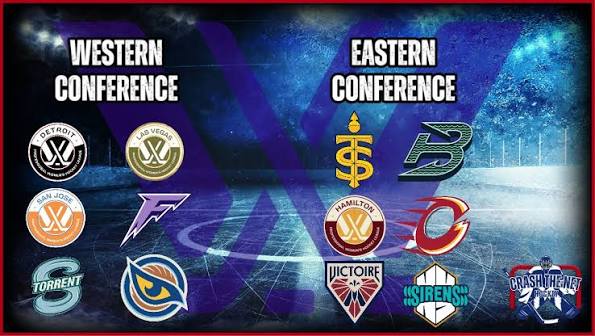
For its fourth season, the league will introduce Eastern and Western conferences and expand its playoffs from four teams to eight. The changes arrive as Detroit, Hamilton, Las Vegas and San Jose join the league, bringing membership to 12 clubs.
The 2026-27 regular season begins December 5 and ends April 18. But the bigger story is how the new structure will shape the races — and what happens once the playoffs begin.
Who goes where?
| Eastern Conference | Western Conference |
|---|---|
| Boston Fleet | PWHL Detroit |
| PWHL Hamilton | PWHL Las Vegas |
| Montréal Victoire | Minnesota Frost |
| New York Sirens | PWHL San Jose |
| Ottawa Charge | Seattle Torrent |
| Toronto Sceptres | Vancouver Goldeneyes |
For Canadian fans, that puts Hamilton, Montréal, Ottawa and Toronto in the same playoff race, while Vancouver competes in the West.
Hamilton’s arrival gives the Eastern Conference an intriguing new ingredient: another Ontario club with an opportunity to develop a rivalry with Toronto.
Each team will play 30 games: 18 against conference opponents and 12 against the other conference. The league says every team will visit every market’s primary or secondary home venue at least once.
The top four teams in each conference qualify. There are no crossover berths in the announced format: finishing fifth means missing out, regardless of how that record compares with fourth place in the other conference.
The postseason will unfold this way:
| Round | Series | Wins needed |
|---|---|---|
| First round | Four best-of-three series | Two |
| Conference finals | Two best-of-five series | Three |
| Walter Cup final | One best-of-five series | Three |
The opening round is particularly unforgiving. One poor performance puts a team on the brink. A hot goaltender could make a month’s worth of hard work irrelevant in a hurry.
Pick Your Opponent:
The PWHL is retaining its most entertaining playoff wrinkle.
The first-place team in each conference gets to select either the third-place or fourth-place finisher as its opening opponent. The second-place team consequently faces the remaining club.
It gives conference winners a reward beyond their position in the standings. It also hands the chosen opponent a ready-made dressing-room speech.
“They picked us” requires very little elaboration.
The decision offers another storyline before a puck is dropped: does the conference winner choose the lower seed, or avoid a team whose style, goaltending or recent form makes it dangerous?
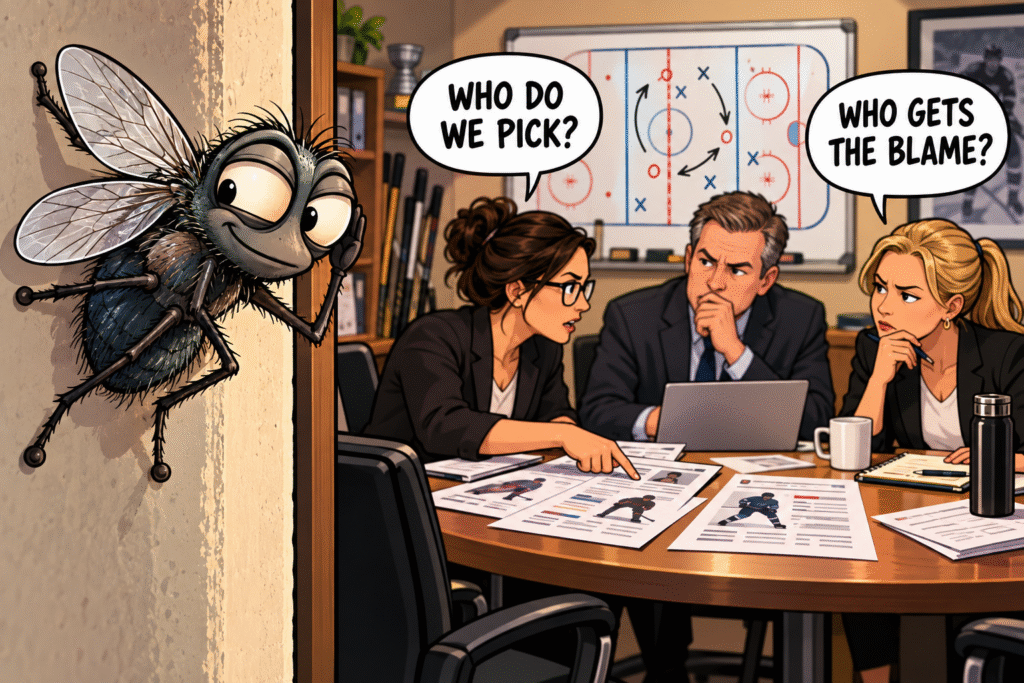
Choosing a playoff opponent may be a collective exercise, with coaches, management and players all offering their opinions. But eventually someone has to make the final call — and own it. Picking your opponent adds an intriguing layer of strategy, but it can also leave an organization debating more than what went wrong on the ice. Losing is painful enough. Losing to the team you personally invited to eliminate you comes with a little extra baggage.
We’d love to be a fly on the wall the moment the final decision is debated.